
This Sinaing na Tulingan recipe brings together fresh tulingan fish, tender pork fat and skin, and dried kamias in a rich, savory-sour sauce. Slowly cooked in one pot for about 90 minutes, this Batangas-inspired Filipino favorite proves that simple ingredients and a little patience can create something extraordinary.
Let’s cook things right.
Check out the full music here!

Highlights of the Dish
- Rich and flavorful: Pork fat and skin create a savory base that complements the fish.
- Naturally sour: Dried kamias balances the richness with its distinct tang.
- Minimal ingredients: No elaborate spice blends or complicated preparation required.
- One-pot cooking: Everything comes together in a single pot.
- Perfect with rice: The reduced sauce is packed with flavor and deserves every last grain.
Table of Contents
What Is Sinaing na Tulingan?
Sinaing na Tulingan is a traditional Filipino fish dish closely associated with Batangas, where tulingan is slowly cooked with salt and souring ingredients until tender and deeply flavorful.
Tulingan is a local name used for certain tuna-like fish. It has firm, flavorful flesh that works particularly well in dishes involving prolonged cooking.
The traditional preparation varies between households. Some versions rely on vinegar, others use kamias, and some incorporate pork fat to enrich the sauce.
In this version, we’re using dried kamias and pork fat with skin, along with a small amount of sinigang mix to strengthen the sourness and add another layer of savory flavor.
The technique is straightforward: cook the pork until tender, add the fish, and allow the ingredients to simmer together until the sauce reduces.
The result is a hearty, distinctly Filipino dish with an excellent balance of richness, saltiness, and acidity.
Why This Sinaing na Tulingan Recipe Works
- 1. Cooking the pork first builds the foundation. Giving the pork fat and skin approximately 60 minutes to cook allows them to soften and enrich the cooking liquid before the fish is introduced.
- 2. Dried kamias cuts through the richness. The sourness of kamias balances the fatty pork and prevents the dish from tasting overly heavy.
- 3. Sinigang mix adds another layer of flavor. A small amount enhances the souring effect and savoriness without requiring a complicated seasoning mixture.
- 4. Layering the fish helps keep it intact. Placing the tulingan on top of the pork allows it to cook in the flavorful liquid without unnecessary stirring.
- 5. Reducing the liquid concentrates everything. As the sauce thickens, the flavors of pork, fish, kamias, and seasonings become more pronounced.
Ingredients
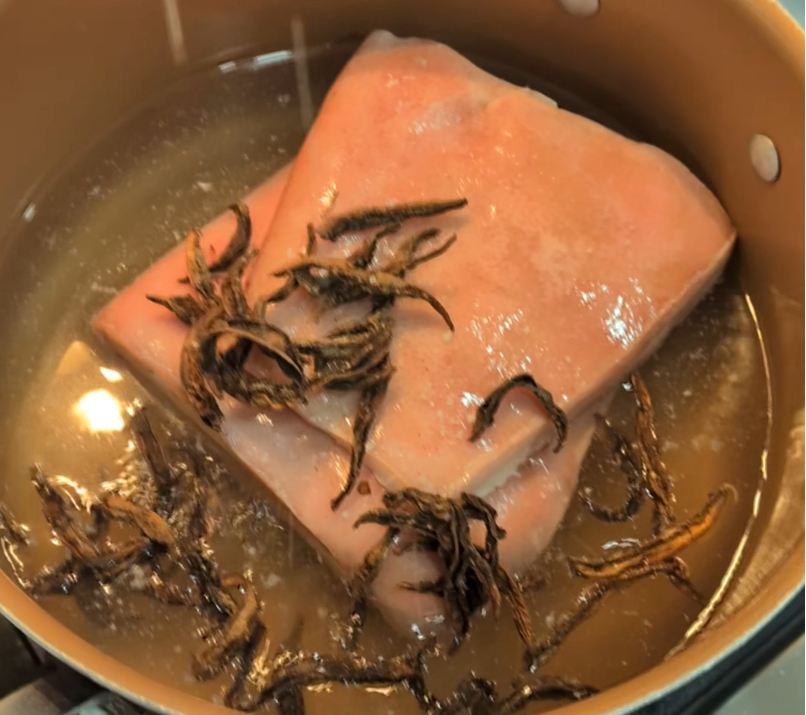
This recipe uses just a handful of ingredients. The secret is how they come together during cooking.
- 1 kg pork fat and skin: Provides richness, body, and a tender texture after prolonged cooking. Cut into manageable pieces if necessary.
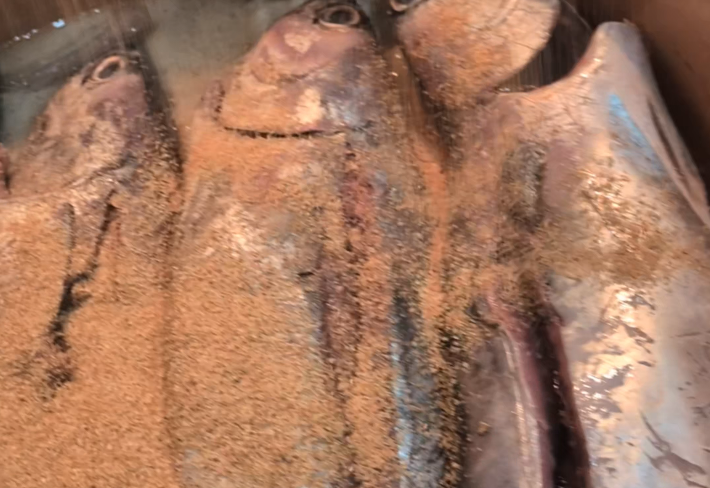
- 4 tulingan fish (approximately 750 g total): Fresh, cleaned tulingan. Cooking time may vary depending on the size and thickness of the fish.
- 20–30 g dried kamias: The primary souring ingredient. Its tangy flavor balances the pork and fish.
- Salt, to taste: Season generously but carefully, remembering that the sauce becomes saltier as it reduces.
- Sinigang mix, a light sprinkle: Enhances sourness and savoriness. Start with a little and adjust according to taste.
- Water, as needed: Enough to cook the pork and fish while allowing the liquid to reduce into a flavorful sauce.
Watch the Sinaing na Tulingan Video
See how the pork and fish come together in this simple, one-pot Filipino recipe.
The Soundtrack Behind the Dish: “Init sa Palayok”
Apparently, simmering tulingan for 90 minutes wasn’t enough—we had to give the palayok its own theme song too. 😂 “Init sa Palayok” is an original AI-generated Filipino cooking song inspired by this very recipe. We released it through WhisperTechAI as another experiment in connecting real cooking with generative music. Listen to “Init sa Palayok” and see how we made it, or watch the music Short on YouTube.
Full Song here: https://youtube.com/shorts/FJ0qvO9lrM4?feature=share
How to Cook Sinaing na Tulingan
Step 1: Prepare the Pork
Place the pork fat and skin into a large, heavy-bottomed pot.
Add the dried kamias, a generous but measured amount of salt, and enough water to cook the pork without allowing it to dry out.
Step 2: Cook Until Tender
Bring everything to a boil over high heat.
Continue cooking for approximately 60 minutes, adjusting the heat and adding water when necessary to maintain the cooking liquid.
The goal is to soften the pork fat and skin while allowing their flavor to develop in the broth.
Step 3: Add the Tulingan
Once the pork is tender, carefully arrange the cleaned tulingan fish on top of the pork.
For this batch, four pieces weighed approximately 750 g in total.
Avoid excessive stirring to prevent the fish from breaking apart.
Step 4: Add the Sinigang Mix
Sprinkle a small amount of sinigang mix over the fish and cooking liquid.
This boosts the sourness already provided by the dried kamias and adds another layer of savory flavor.
Step 5: Simmer for Another 30 Minutes
Reduce the heat as needed and allow the fish to simmer for approximately 30 minutes, until thoroughly cooked and tender.
The exact cooking time will depend on the size of the fish and how tender the pork has become.
Step 6: Reduce the Sauce
Continue cooking until the liquid has reduced into a rich, concentrated sauce.
Keep an eye on the pot as the liquid thickens to prevent scorching.
Taste before adding any more salt, since the flavors will have intensified during reduction.
Step 7: Serve with Plenty of Rice
Transfer the tulingan and tender pork to a serving dish.
Spoon the reduced sauce over everything and serve with generous portions of freshly steamed rice.
And don’t be surprised when everyone asks for another serving.
Javi’s Cooking Tips
Give the pork enough time. The first hour is essential for developing tenderness and richness. If the pork is still tough, extend the cooking time before adding the fish.
Control the water carefully. Add enough to prevent scorching, but avoid adding too much near the end if you want a thick, flavorful sauce.
Let the kamias do its job. Start with around 20 g of dried kamias and adjust according to its sourness and your preference.
Be careful with the salt. Both the initial seasoning and sinigang mix contribute saltiness. Reducing the sauce concentrates it further.
Avoid unnecessary stirring. Once the fish is added, let it cook gently in place so the pieces stay intact.
Storage, Freezing, and Reheating
Refrigeration: Allow the dish to cool briefly, transfer it into shallow airtight containers, and refrigerate within two hours. Consume within 3–4 days.
Freezing: Freeze individual portions with some sauce in freezer-safe containers. For best quality, use within 2–3 months.
Reheating: Reheat thoroughly in a covered pan over moderate heat. Add a little water if the sauce has thickened too much during storage.
Food safety: Keep fresh tulingan properly refrigerated before cooking. Tuna-family fish can develop histamine when stored improperly, and cooking does not destroy that histamine.
More Filipino Recipes to Try
If you enjoy hearty Filipino dishes made with straightforward ingredients, there’s plenty more to explore in the Kusina.
Beef and Kangkong Oyster Sauce Stir Fry — Tender beef and fresh kangkong tossed in a savory oyster sauce. An easy dish for busy days.
Browse More Kusina Cooks Recipes — Discover more Filipino classics, everyday favorites, and recipes from our kitchen.
Substitutions and Variations
Fresh versus dried kamias: Dried kamias is used in this recipe. Fresh kamias can also provide sourness, but the quantity and resulting flavor will differ.
Without sinigang mix: You can omit it and rely on kamias for the sourness. Adjust the amount of kamias according to taste.
Different tulingan sizes: Larger fish may require additional cooking time. Use the fish’s thickness and doneness as your guide.
Less pork fat: You can reduce the amount, although the finished dish will have a lighter sauce and less of the richness found in this version.

Sinaing na Tulingan with Pork Fat and Dried Kamias
Ingredients
- 1 kg pork fat and skin boiled until tender before the tulingan
- 4 pieces tulingan fish approximately 750 g total, cleaned
- 30 g dried kamias place early to maximize rehydration
- 50 g Salt generously, to taste
- 1 pack Sinigang mix a small pack or light sprinkle, to taste
- 50-100 ml Water as needed
Instructions
- Place the pork fat and skin in a large cooking pot. Add water, 20–30 g of dried kamias, and a generous amount of salt.
- Bring to a boil over high heat and cook for approximately 60 minutes, or until the pork becomes tender. Add water as necessary to prevent the pot from drying out.
- Once the pork is tender, carefully arrange the four cleaned tulingan fish over the pork.
- Sprinkle with sinigang mix to increase the sourness and savoriness of the dish.
- Lower the heat and simmer for approximately 30 minutes, or until the fish is thoroughly cooked and tender. Cooking time may vary depending on the size of the fish.
- Allow the cooking liquid to reduce into a thick, concentrated sauce. Avoid unnecessary stirring so the fish stays intact.
- Taste and adjust the seasoning if needed. Serve hot with generous portions of steamed rice.
Video
Notes
Frequently Asked Questions
How long does Sinaing na Tulingan take to cook?
For this batch, the pork took approximately 60 minutes and the fish another 30 minutes, for a total cooking time of around 90 minutes. Allow another 15 minutes for preparation. Cooking times may vary depending on the tenderness of the pork and the size of the fish.
Why do you cook the pork before adding the fish?
The pork fat and skin need more time to become tender. Cooking them first also develops the rich broth that flavors the fish during the final simmer.
Can I make Sinaing na Tulingan without vinegar?
Yes. This version uses dried kamias and a little sinigang mix for its sourness, so vinegar is unnecessary.
How much dried kamias should I use?
Approximately 20–30 g for this batch. The exact amount depends on the sourness of your dried kamias and your personal preference.
Why is my sauce too salty?
The salt becomes more concentrated as the liquid reduces. Start with less seasoning than you think you need and adjust near the end of cooking.
Can I use bigger tulingan fish?
Absolutely. Just remember that larger fish may require additional cooking time. The four pieces used in this recipe weighed approximately 750 g altogether.
Final Words
There’s something satisfying about recipes that let a few good ingredients speak for themselves.
This Sinaing na Tulingan doesn’t rely on complicated techniques. The pork brings the richness, the dried kamias provides the tang, and the tulingan absorbs those flavors as everything cooks together.
Give it the time it deserves, let the sauce reduce, and serve it with plenty of rice.
Sometimes the simplest Filipino dishes are the ones worth coming home to.
Let’s cook things right.