

Hearty, Healthy and Packed with Deliciousness
What is Ginisang Monggo with Kalabasa?
Ginisang Monggo is more than just a soup; it is a Filipino institution. This thick, savory stew is made from mung beans simmered until they soften into a creamy consistency. When you add Kalabasa (Kabocha squash), the dish transforms. The squash melts slightly into the broth, adding a subtle sweetness and a beautiful golden hue that complements the earthy flavor of the beans.
In my kitchen, this is the ultimate “sustansya” (nutrient-dense) meal. It’s a dish that feels like a warm hug from your Lola, designed to be poured over a steaming mound of white rice. Whether you are looking for a budget-friendly family dinner or a powerful protein boost, this recipe hits every mark.
Table of Contents
Why Ginisang Monggo is a Game-Changer
- The Sauté Secret: We don’t just boil the meat; we stir-fry the pork panggisa until it’s golden and crispy to build a deep, umami base.
- Double the Greens: Using both Malunggay and Dahon ng Ampalaya (Bitter Melon leaves) provides a complex flavor profile and a massive vitamin boost.
- Perfect Texture: By soaking the beans overnight, we achieve a “tender with a bite” texture that prevents the stew from becoming mushy.
- Rich & Hearty: The addition of a pork cube and fresh tomatoes creates a savory depth that commercial versions often lack.
- One-Pot Nutrition: It’s a complete meal containing protein, healthy carbs, and essential minerals all in one pan.
The Science of the Ingredients
- Mung Beans (Monggo): These are high in plant-based protein and fiber. Soaking them overnight neutralizes phytic acid, making them easier to digest and faster to cook.
- Kalabasa (Squash): Rich in Vitamin A and Beta-carotene. When sautéed and simmered, its natural sugars caramelize, balancing the earthy mung beans.
- Tomatoes & Onions: These are the “Holy Trinity” of Filipino sautéing. The acidity of the tomatoes cuts through the richness of the pork, while the onions provide a sweet, aromatic base.
- Malunggay & Ampalaya Leaves: These are the superfoods of the Philippines. They add a slight peppery and bitter note that cleanses the palate between bites of savory stew.
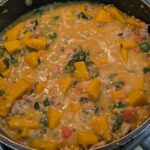
Ginisang Monggo with Kalabasa
Ingredients
- 1 pack approx. 250g Mung Beans (Monggo), soaked overnight and strained
- 250 g Pork panggisa cut into small cubes
- 2 cups Kalabasa Squash, cubed
- 1 bundle Dahon ng Ampalaya Bitter Melon leaves
- 1 bundle Malunggay leaves
- 2 medium Tomatoes chopped
- 1 medium Onion chopped
- 3 cloves Garlic minced
- 1 Pork bouillon cube
- 6-8 cups Water
- Salt and Pepper to taste
- 2 tbsp Cooking oil
Instructions
- Crisp the Pork: In a large pot or deep pan, heat oil over medium heat. Stir-fry the pork cubes until the fat renders and the meat becomes golden and slightly crispy.
- Sauté the Aromatics: Add the onions and garlic to the pork. Sauté until the onions are translucent. Add the chopped tomatoes and cook until they soften and release their juices.
- Incorporate Monggo: Add the soaked and strained mung beans. Stir-fry for 2-3 minutes to let the beans absorb the savory flavors of the sauté base.
- Simmer: Pour in the water and add the pork bouillon cube. Bring to a boil, then lower the heat. Simmer until the mung beans are tender but still hold their shape (approx. 30-40 minutes).
- Add Squash: Once the beans are ready, drop in the Kalabasa cubes. Cook for another 5-7 minutes until the squash is fork-tender.
- Season: Season with salt and pepper according to your preference.
- Finish with Greens: Add the Malunggay and Dahon ng Ampalaya. Stir gently and simmer for another 2-3 minutes until the leaves are wilted but still vibrant green.
- Serve: Transfer to a large bowl and serve hot with steamed rice.
Notes
- Storage and Refrigeration: This stew actually tastes better the next day as the flavors continue to marry. It can be refrigerated for up to 3 days. Note that the beans will continue to absorb liquid, so you may need to add a splash of water when reheating.
- Sourcing: For the best results, look for Kabocha squash at your local market—it has a drier, starchier texture that holds up better than butternut squash.
- Troubleshooting: If your stew is looking too dry or thick, simply add half a cup of hot water at a time until you reach your desired consistency. If the beans aren’t softening, ensure you aren’t adding salt too early in the boiling process, as salt can sometimes toughen the outer skin of legumes.
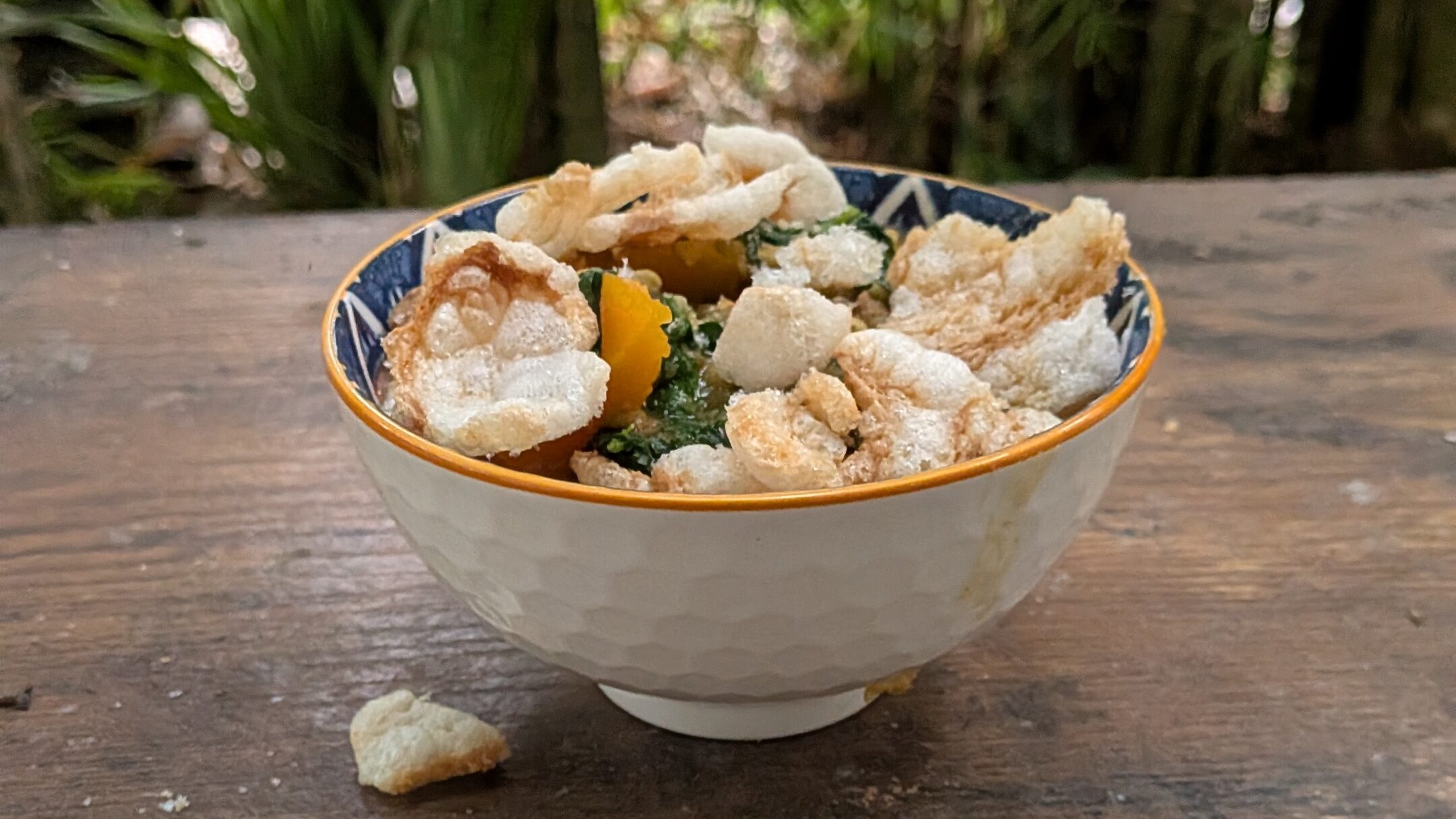
- Flavor Upgrades: For an extra layer of crunch and saltiness, top your served bowl with crushed Chicharon (pork cracklings) or Tinapa (smoked fish) flakes.
History, Origins & Culture of Ginisang Monggo
Ginisang Monggo is deeply rooted in Filipino culture, specifically as a “Friday” or “Monday” dish. Its prominence on Fridays dates back to the colonial era and Catholic traditions of abstaining from meat on Fridays during Lent, though many modern versions (like this one) include pork for extra flavor.
The use of Kalabasa and various indigenous greens like Malunggay highlights the Filipino philosophy of “Pagtitipid” (thriftiness) and “Sustansya”—using what grows in the backyard to create a meal that can feed a whole family. Every region in the Philippines has a slight variation; in the North, you might find it more watery, while in the South, it’s often cooked with coconut milk (Ginataang Monggo). This version represents the classic Tagalog style—savory, sautéed, and loaded with local vegetables.
What to Serve with Ginisang Monggo with Kalabasa
- Steamed White Rice: A non-negotiable pairing for any Filipino stew.
- Fried Fish (Galunggong or Tilapia): The saltiness of the fried fish perfectly balances the earthy beans.
- Pritong Baboy (Fried Pork): If you want a more indulgent meal, extra crispy pork on the side is a winner.
- Ice-cold Calamansi Juice: A refreshing citrus drink to cut through the heartiness of the meal.
- CHICHARON! IS A MUST IF YOUR DOCTOR ALLOWS IT 😉
Nutritional Breakdown & Moderation of Ginisang Monggo
This dish is a nutritional powerhouse. Mung beans provide high levels of folate, magnesium, and plant-based protein. The Kalabasa adds a significant dose of Vitamin A for eye health, while the Malunggay leaves offer iron and Vitamin C. While the pork adds flavor and saturated fat, the high fiber content of the beans helps manage cholesterol and keeps you full for longer.
Want more Recipes like this?
Ready to cook? More Recipes Here 👉 https://kusinacooks.com/recipes
Check out our Kusina Cooks – YouTube and TikTok – Kusina Cooks