
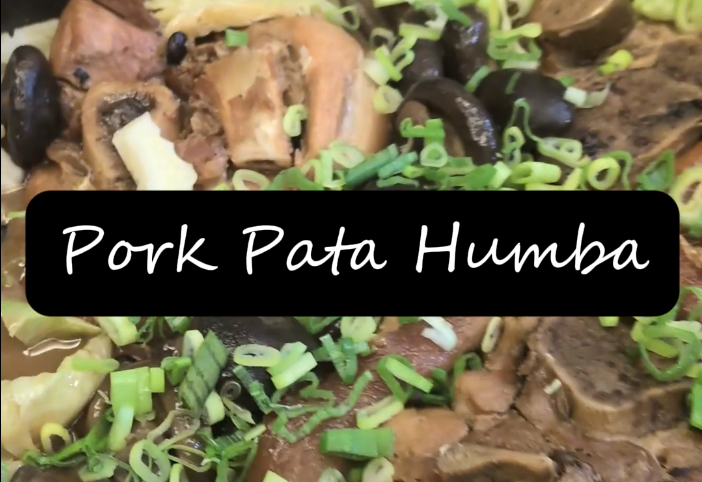
Soft, Rich, Cozy and Savory
What is Pork Pata Humba?
A slow-braised, sweet and savory Filipino pork hock stew that falls right off the bone.
If there is a dish that defines a lazy Sunday afternoon in a Filipino household, it is a massive pot of Pork Pata Humba simmering on the stove. Traditional Humba usually calls for pork belly, but today we are upgrading the experience. We are using Pork Pata, the pork hock, which takes this classic comfort food to an entirely different level of richness. Slow-cooking the pata breaks down all that collagen, giving you meat that is ridiculously tender and a sauce that is thick, sticky, and coats the back of your spoon perfectly.
It is sweet, savory, and packed with deep umami notes from the salted black beans and oyster sauce. The star anise adds that distinct aromatic warmth that makes your whole kitchen smell incredible. We also throw in earthy shiitake mushrooms and fresh cabbage to soak up all that beautiful braising liquid. This is not diet food, guys. This is soul food. You are going to need a mountain of hot white rice for this one, maybe two. So let’s get into this Delicious Pork Pata Humba Recipe
Table of Contents
Why This Pork Pata Humba Recipe is a Game-Changer
- The Searing Step: We do not skip browning the pork hock. Searing locks in the flavor and gives the final sauce a gorgeous deep, rich color.
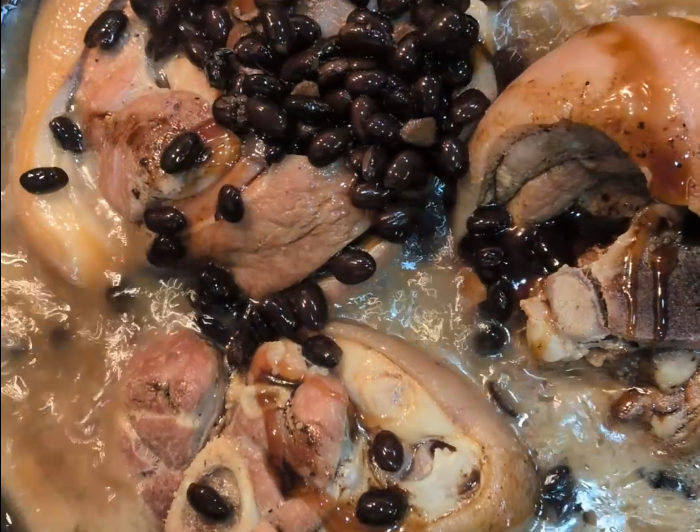
- The Umami Bomb: Combining oyster sauce and salted black beans (tausi) creates a massive flavor profile that balances the sweetness of the brown sugar perfectly.
- Aromatic Warmth: A few pieces of star anise do all the heavy lifting to give this stew its signature Asian comfort-food aroma.
- The Texture Play: The melt-in-your-mouth pork contrasts beautifully with the slight bite of shiitake mushrooms and tender-crisp cabbage.
- The One-Pot Wonder: Once the searing is done, everything just simmers together in one pot, making cleanup an absolute breeze.
- The Kusina Cooks Twist: Instead of just pure meat, we load this up with heavy greens and earthy mushrooms to turn the rich sauce into a complete, balanced meal.
The Science of the Ingredients of Pork Pata Humba
Pork Pata (Hock): This cut is packed with connective tissue and collagen. When braised low and slow, that collagen breaks down into gelatin, which is exactly what gives this Pork Pata Humba sauce its signature sticky, rich mouthfeel and keeps the meat incredibly moist.
Salted Black Beans (Tausi): These fermented beans are pure umami. They provide a sharp, salty depth that cuts through the fattiness of the pork. Draining them slightly prevents the dish from becoming overly salty while keeping the funky, savory flavor intact.
Star Anise: This spice contains anethole, the same compound found in licorice. It brings a sweet, aromatic warmth that elevates the savory notes of the pork and soy-based sauces, bridging the gap between sweet and salty.
Shiitake Mushrooms: Whether fresh or dried, shiitakes act like little sponges. They release their own earthy flavor into the stew while absorbing the rich braising liquid, offering a meaty texture that rivals the pork itself.
Classic Pork Pata Humba
Ingredients
- 1 large Pork Pata Pork Hock, sliced into thick rounds
- 1 large Onion roughly chopped
- 3 pieces Star Anise
- 1 Pork Bouillon Cube
- Water enough to cover the pork
- 3 tbsp Oyster Sauce
- 2 tbsp Salted Black Beans Tausi, drained
- 2 tbsp Brown Sugar adjust to taste
- 1 cup Cabbage or Pechay leaves chopped
- 1 cup Shiitake Mushrooms fresh or rehydrated
- 1/4 cup Leeks or Scallions chopped for garnish
- 2 tbsp Cooking Oil
Instructions
- Heat cooking oil in a large deep pan or pot over medium-high heat. Add the pork pata slices and sear until all sides develop a deep brown crust.
- Add the chopped onions, star anise, and pork bouillon cube to the pot.
- Pour in enough water to completely submerge the meat. Bring the liquid to a rolling boil, then lower the heat to a simmer. Cover the pot and cook for 1 to 1.5 hours until the pork is fork-tender.
- Once the pork is soft and the liquid has reduced and thickened slightly, stir in the oyster sauce, salted black beans, and brown sugar. Mix gently to coat the meat evenly.
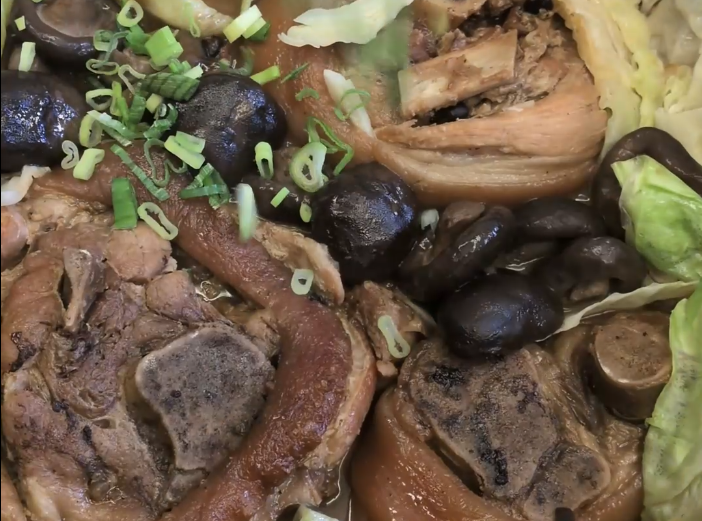
- Layer the cabbage and shiitake mushrooms into the pot. Cover and simmer for another 5 minutes until the vegetables are tender.
- Turn off the heat. Top the dish with freshly chopped leeks and serve immediately with hot steamed rice.
Notes
Tips & Troubleshooting
Storage and Refrigeration: This Pork Pata Humba actually tastes better the next day after the flavors have completely fused in the fridge. Store it in an airtight container for up to 4 days. The sauce will turn into a gelatinous block when cold due to the collagen, so simply reheat it gently on the stove or in the microwave until it melts back into a rich gravy.
Sourcing: You can easily find cut pork pata at your local wet market or the butcher section of most Asian grocery stores. Ask your butcher to cut the hock into one-inch thick rounds so they cook evenly and are easier to manage in the pot.
Troubleshooting and Substitutes: If you cannot find salted black beans, you can substitute them with black bean garlic sauce or even a mix of dark soy sauce and a little miso paste for that fermented kick. No cabbage? Pechay or bok choy work perfectly. If the stew gets too sweet, balance it with a splash of white vinegar.
Flavor Upgrades: For a pro finish, toss in a handful of hard-boiled eggs during the last ten minutes of cooking. They will soak up the dark sauce and become incredibly flavorful. A splash of rice wine or sherry during the braising process also adds a fantastic layer of complexity.
History, Origins & Cultural Context
Humba is a quintessential dish from the Visayan region of the Philippines, and it carries a rich history of ingenuity and adaptation. Long before the days of modern refrigeration, slow-braising meats in vinegar, soy sauce, sugar, and spices was a crucial method of preservation. The high sugar and salt content, combined with the slow cooking process, meant that a large pot of humba could last for days without spoiling, making it a highly practical dish for large families and long journeys.
While it shares a flavor profile similar to Adobo, humba distinguishes itself through its sweeter notes and the introduction of Chinese-influenced ingredients like star anise, tausi (fermented black beans), and sometimes dried banana blossoms. This blend of local cooking techniques with foreign trade ingredients tells the story of the Philippines’ rich culinary evolution.
Traditionally made with fatty pork belly, adapting the recipe to use Pork Pata is a popular variation that maximizes the textural benefits of slow cooking. Today, all these ingredients are highly accessible. You can grab star anise and salted black beans in the international aisle of almost any major supermarket. It is a brilliant example of how heritage recipes continue to thrive and adapt in modern kitchens without losing their soul.
What to Serve with Pork Pata Humba
- Steaming White Rice: Non-negotiable. The rich, sticky sauce needs a neutral base to soak into.
- Atchara (Pickled Papaya): The sweet and sour crunch of Filipino pickled green papaya cuts perfectly through the fatty richness of the pork.
- Ensaladang Talong: A simple roasted eggplant salad with tomatoes and onions provides a fresh, acidic contrast.
- Fried Plantains (Saba): Serving a few slices of fried sweet plantains on the side complements the brown sugar notes in the humba.
Nutritional Breakdown & Moderation
Let us be real, Pork Pata Humba is a celebration meal, not a daily diet staple. Pork hock is rich in fats and collagen, which is great for your joints and skin, but it is definitely heavy on the calories. The sauce also packs a fair amount of sodium from the black beans and oyster sauce, plus carbs from the sugar. Portion control is your friend here. Balance the heavy meat by loading up on the cabbage and mushrooms. Eat until you are happy, take a nice long nap, and maybe hit the gym the next day.
Ready to cook?
Watch our videos here on ▶️ YouTube and 🎵 TikTok
Check out more Recipes here 👉 https://kusinacooks.com/recipes