
Rich, Creamy, Decadent Flavors
What is White Truffle Crema Pasta?
In the Kusina Cooks kitchen, we usually focus on everyday practicality. But sometimes, the noise of the outside world—whether it’s busy schedules, loud news, or just the chaotic rhythm of family life—demands a culinary timeout. This White Truffle Crema Pasta is what I call the ultimate “ceasefire.”
It’s a dish so decadent it whispers of expense accounts and hushed, reverent dining rooms, yet it comes together in the time it takes to boil water. The idea of this dish, its purity of flavor, and the almost reverent silence it inspires at the table, acts as a literal truce. It’s a moment where conversation pauses, food brings people together. But on this day Truffles did the work!
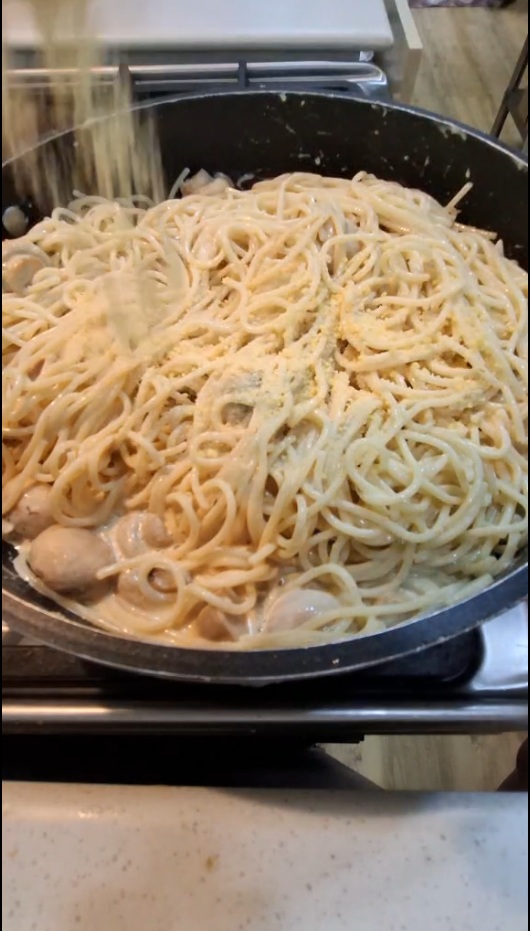
While the country paused to vote, we stirred. In the quiet kitchen, a rich crema met warm pasta. No fancy plating, no garnish. Just an honest bowl that stopped the noise.
Table of Contents
Why This Recipe is a Game-Changer
- The “Truce” Factor: The intense, earthy aroma of the truffle commands attention, instantly bringing people together in shared appreciation.
- Radical Simplicity: It’s not about elaborate, heavy sauces. It’s about allowing a single, magnificent ingredient to shine.
- Speed Meets Luxury: You get a restaurant-quality, professional chef experience at home in under 20 minutes.
- The Emulsion Secret: We rely on starchy pasta water to bind the simple crema, creating a silky coating rather than a heavy, gloopy sauce.
- Accessible Elegance: Whether you use a high-quality truffle paste, infused oil, or spring for the fresh shavings, the technique elevates whatever you have on hand.
The Science of the Ingredients
- The White Truffle (Tuber magnatum pico): This elusive subterranean fungus is prized for its intense aroma. The scent is composed of volatile organic compounds that are highly sensitive to heat, which is why the truffle is always added at the very end, never cooked.
- Tagliatelle or Tajarin Pasta: You need a broad, flat noodle, preferably rich in egg yolks. The porous surface of fresh pasta grips the crema perfectly, ensuring every bite is coated.
- Heavy Cream & Butter: The fat acts as a carrier for the truffle’s fat-soluble flavor compounds, extending the luxurious taste across your palate.
- Parmigiano-Reggiano: Adds the necessary salt and a background umami note that supports, rather than overpowers, the star ingredient.
Ingredients
- 400g Fresh Tagliatelle or Tajarin pasta (high-quality dried works too)
- 3 tbsp Unsalted butter
- 1/2 cup Heavy cream
- 1/3 cup Parmigiano-Reggiano, freshly grated
- 1 tbsp High-quality white truffle paste (or a drizzle of white truffle oil)
- Fresh white truffle for shaving (optional, but highly recommended for the full experience)
- Salt and freshly ground black pepper to taste
- 1/2 cup Reserved starchy pasta water
Procedure
- Boil the Pasta: Bring a large pot of generously salted water to a rolling boil. Drop in your pasta and cook until just shy of al dente.
- Build the Crema: While the pasta cooks, melt the butter in a large skillet over low heat. Pour in the heavy cream and let it gently warm through. Do not let it boil.
- The Transfer: Before draining the pasta, reserve at least half a cup of the starchy pasta water. Transfer the pasta directly from the pot into the skillet with the cream and butter.
- Emulsify: Toss the pasta gently over low heat. Add a splash of the reserved pasta water and the grated Parmigiano-Reggiano. Keep tossing until the sauce becomes silky and coats the back of a spoon.
- The Ceasefire Moment: Remove the skillet entirely from the heat. Gently fold in the white truffle paste (or oil). The residual heat of the pasta will warm the ingredient, releasing its intoxicating perfume without destroying the volatile oils.
- Serve: Plate immediately in warm bowls. Finish with a crack of black pepper and, if you have it, generously shave paper-thin slices of fresh white truffle over the top.
🎤 Watch the moment unfold: Election Ceasefire Pasta Video
🏡 Check out our Kusinas recipes: Visit Kusina Cooks
Expert Tips & Troubleshooting
Storage: This dish does not reheat well. The magic is in the immediate, fresh emulsion. Make only what you plan to eat!
Heat is the Enemy: Never cook your truffle oil or paste. High heat destroys the delicate aroma compounds. Always add it off the heat right before serving.
Pasta Water Magic: If your sauce feels too thick or sticky, add pasta water one tablespoon at a time. The starch binds the fat and water into a perfect, glossy emulsion.
Sourcing: Not all truffle products are created equal. Look for pastes or oils that use actual Tuber magnatum pico extract rather than purely synthetic flavorings (often labeled as “truffle aroma”).
History, Origins & Cultural Context
For centuries, various fungi were foraged, often by pigs or trained dogs, remaining somewhat in the shadows of everyday ingredients. It wasn’t until the mid-20th century, particularly post-World War II, that the white truffle truly ascended to culinary stardom.
Piedmont in northern Italy, specifically the Langhe region around Alba, is the undisputed heartland of the white truffle. As Italy rebuilt and its culinary heritage gained international attention, resourceful foragers—families with generations of knowledge—ventured into the misty forests. These weren’t mass-produced commodities; each find was precious. To this day, a white truffle represents the ultimate connection to the earth, a natural treasure treated with the utmost respect.
What to Serve with White Truffle Crema Pasta
- A Simple Protein: A perfectly seared, lightly seasoned Ribeye or Filet Mignon. Let the pasta be the loudest voice on the plate.
- Roasted Asparagus: The earthy, slightly bitter notes of the asparagus cut through the rich cream beautifully.
- Crusty Bread: To wipe the bowl clean. You don’t want to leave a single drop of that crema behind.
- Crisp White Wine: A dry, acidic Italian white like a Gavi or an unoaked Chardonnay to cleanse the palate.
Nutritional Breakdown & Moderation
This is a rich, celebratory dish. The heavy cream and butter provide a high fat content, which is necessary to carry the flavors, while the pasta delivers a solid dose of carbohydrates. It is not an everyday meal, but rather a deliberate indulgence. Portion control is key—a smaller, richer plate is far more satisfying and keeps the experience feeling special.